
FENDER-EDGE

news.

Foam Filled Fender Market Analysis

The foam filled fender market was valued at USD 1.2 billion in 2024 and is projected to reach USD 1.8 billion by 2033. This growth, representing a compound annual growth rate (CAGR) of 5.2%, is forecast to occur from 2026 onward.
Foam Filled Fender Market Insights

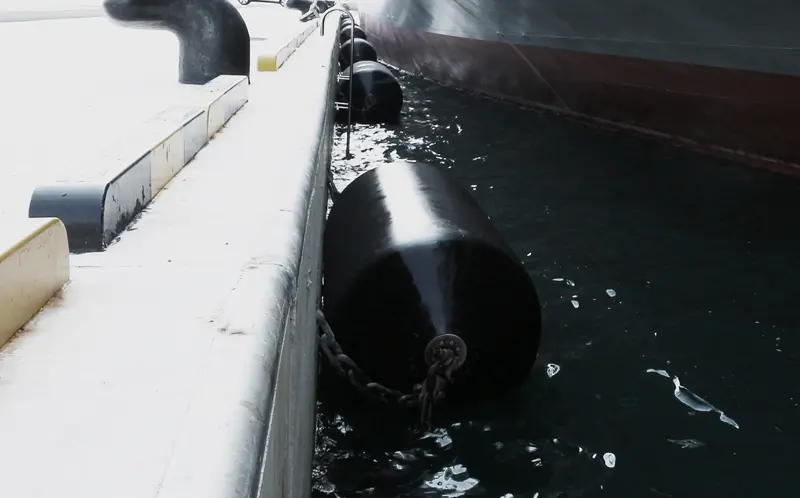
The global foam filled fender market is experiencing significant growth, driven by rising demand for reliable mooring solutions across multiple industries. These fenders, which consist of high-density foam encased within a tough outer layer, are critical for protecting vessels and marine structures from damage during docking operations. Their superior energy absorption and durability in harsh marine environments make them indispensable to modern port and offshore infrastructure.


According to industry analysis, the market is projected to reach approximately USD 900 million by 2025, expanding at a compound annual growth rate (CAGR) of around 4.5% from 2020 onward. This growth is fueled primarily by the ongoing expansion of global shipping and logistics. As reported by the United Nations Conference on Trade and Development (UNCTAD), global container port throughput reached nearly 800 million twenty-foot equivalent units (TEUs) in 2020. Increasing port activity necessitates more efficient and robust mooring systems, thereby boosting demand for high-performance fenders. Further momentum comes from expanding offshore oil and gas operations, alongside the development of new ports and terminals worldwide.


A notable trend shaping the market is the growing emphasis on environmental sustainability. Manufacturers are increasingly adopting eco-friendly materials and production processes to meet regulatory requirements and align with broader environmental, social, and governance (ESG) goals. This shift is driving innovations in fender design, resulting in products with enhanced buoyancy, energy dissipation, and overall service life. Parallel to this, there is rising demand for fender systems that comply with stringent international safety standards, ensuring operational reliability in challenging marine settings.


Foam filled fenders see wide application across key sectors such as commercial shipping, offshore energy, and port cargo handling. In shipping, they are essential for safeguarding vessels during berthing, minimizing the risk of costly hull damage. In offshore oil and gas, they protect both floating installations and service vessels from impacts in rough seas. Looking ahead, continued urbanization and investment in port infrastructure are expected to further increase the need for advanced mooring solutions, positioning the foam filled fender market for sustained growth in the coming years.

Foam Filled Fender Market Key Takeaways

Regional Landscape (2023)
The global foam-filled fender market in 2023 was led by the Asia Pacific region, which accounted for 40% of total revenue. Europe and North America followed with shares of 30% and 20%, respectively. The remaining 10% was distributed across Latin America, the Middle East, and Africa. Asia Pacific is also identified as the fastest-growing region, propellex,. d by rising maritime activities and increasing demand for marine safety equipment.


Product Type Analysis (2023)
By product type, Hook Foam Filled Fenders dominated the market in 2023, capturing a 60% revenue share. The Tyre Net Foam Filled Fender segment contributed the remaining 40%. This sub-segment is further projected to register the highest growth rate during the forecast period, owing to its cost-effectiveness and versatile applicability across marine operations.


Application Segmentation (2023)
In terms of application, Tugs represented the largest segment in 2023, holding a 50% market share. Workboats and Pilot Boats collectively accounted for 40%, while other applications made up the residual 10%. Among these, the Pilot Boats segment is anticipated to witness the fastest growth, driven by expanding requirements for harbor and maritime security operations.

Foam Filled Fender Market Dynamics

The foam-filled fender market constitutes a vital niche within the marine industry, dedicated to providing essential impact protection for vessels and maritime infrastructure during docking and mooring operations. These specialized components are engineered to absorb kinetic energy, significantly mitigating the risk of damage to both ships and port structures.


Market growth has been robust in recent years, fueled by expanding global maritime activities. This includes rising commercial shipping volumes, ongoing offshore oil and gas operations, and continuous development of new ports and terminals. According to the International Maritime Organization (IMO), the global shipping industry transported approximately 11 billion tons of cargo in 2021, underscoring the critical need for reliable fendering solutions to ensure operational safety and efficiency.


Concurrently, increasing environmental awareness is driving a shift toward sustainable practices across the sector. Modern foam-filled fenders, often constructed from advanced, durable synthetic materials, align with this trend. They typically utilize closed-cell foam technology, which offers superior buoyancy and minimal water absorption. This design enhances longevity and performance across diverse applications—from busy commercial ports and yacht marinas to demanding offshore platforms.


Reflecting these dynamics, the global foam-filled fender market was valued at approximately $150 million in 2020. It is projected to reach around $250 million by 2028, growing at a compound annual growth rate (CAGR) of about 7% during the forecast period.

Market Drivers

Several key drivers are propelling the expansion of the foam-filled fender market. Chief among these is the ongoing growth in global trade and maritime transport, which has amplified the need for efficient and reliable docking infrastructure worldwide. This is further accelerated by the development of new international shipping routes and significant port expansions in emerging economies, creating sustained demand for advanced fendering solutions.


Simultaneously, a heightened focus on operational safety within the marine industry is driving substantial investment in superior protective equipment. The critical economic role of maritime assets underscores this imperative. As reported by the U.S. Bureau of Transportation Statistics, the value of goods transported by water exceeded $1.2 trillion in 2020, highlighting the essential function of robust fender systems in safeguarding high-value cargo and vessels during port operations.

Market Restraints

The foam-filled fender market, while poised for growth, contends with notable restraints that could temper its expansion. A primary challenge is the relatively high initial cost of these fenders compared to conventional alternatives such as rubber fenders, which can deter adoption in cost-sensitive markets or regions with constrained budgets. Market penetration is further challenged by the competitive presence of established alternative solutions, including pneumatic fenders and fixed rubber fender systems. Additionally, manufacturers face volatility in the prices of key raw materials, such as polyurethane and other synthetic compounds, which directly affects production costs and complicates long-term pricing strategies. Navigating these economic and competitive headwinds is essential for industry players to sustain their market position and profitability.

Market Opportunities

The foam-filled fender market holds significant potential for future expansion, driven by several strategic opportunities. Key among these is technological innovation; investment in research and development can yield next-generation fenders with advanced properties such as greater impact absorption, reduced weight, and extended service life. Concurrently, the ongoing development of port infrastructure in emerging economies—particularly in Southeast Asia and Africa—offers a substantial avenue for geographic market expansion. Furthermore, the industry can benefit from the rising trend towards automation in maritime operations. The integration of foam-filled fenders with automated mooring systems represents a synergistic opportunity to enhance operational efficiency, safety, and vessel turnaround time in modern ports.

Share:

More News

Happy New Year 2026!

FENDER-EDGE news. A New Year of Harmony & Partnership! Dear Valued Partner, As we step into 2026, all of us at FENDER-EDGE extend our warmest

Merry Christmas 2025

FENDER-EDGE news. MERRY CHRISTMAS 2025 Dear Partners, Regardless of the stage our cooperation has reached, first and foremost, FENDER-EDGE would like to express our sincerest

Send Us A Message

FENDER-EDGE

Your Message Will be Replied Within 1 Hour .

Contact Information